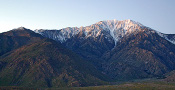
Mt. San Jacinto Outdoor Recreation
Hiking, Climbing, Camping, Trail Running, Snowshoeing...
Skyline - some basic questions
28 posts
• Page 2 of 3 • 1, 2, 3
 by hawkbill666 » Fri Oct 01, 2010 7:17 pm
Ellen, oh THAT Ellen, I remember the recent tense moments around her trying new snowshoes *ugh*. I searched and there is some great information, and I watched her video also.
You are right, I should get a full track for my PN40....
Thanks for the coords to flat rock, I am putting them in now just to verify my map, but Norris is right, I am looking for a full track.
I will dig more into the past nutrition posts as my main question now is what to eat the morning of.
Thanks all !
Scott
You are right, I should get a full track for my PN40....
Thanks for the coords to flat rock, I am putting them in now just to verify my map, but Norris is right, I am looking for a full track.
I will dig more into the past nutrition posts as my main question now is what to eat the morning of.
Thanks all !
Scott
- hawkbill666
- Posts: 105
- Joined: Wed Sep 29, 2010 5:03 pm
- Location: Washington State
by zippetydude » Sat Oct 02, 2010 1:26 pm
hawkbill666 wrote: I am looking for a full track.
I will dig more into the past nutrition posts as my main question now is what to eat the morning of.
Scott
Well, a full track or hike with the friends you've already made here! The first time I went, I got guidance from several other hikers - back then the top section was hard to follow. As far as nutrition, kinda the same as shoes, whatever you already find works, go with that for the first time. As coaches always say, Change nothing on game day.
With regard to Devilboat - your handle was intriguing, so I read up on it. Impressive.
z
-

zippetydude - Posts: 2751
- Joined: Tue May 09, 2006 5:40 am
by hawkbill666 » Sun Oct 03, 2010 11:03 pm
Thanks all again.
I have a track loaded into my GPS now, and I know it may sound strange, but I feel better already . I mean, I dont 'have to' use it, but it will be turned on and availiable if needed. I try hard to use technology as a backup and not a primary.
Overall I am a long time hiker, who has not hiked in a long time, at least until the past 6 months to get in shape for this. Food gels are new, or at least new to me, and seem ideal.
Thanks Zip on the food and shoes advice, I am just going to continue to do what has always worked, although I have never carbo loaded, and to a point I will focus on prehikeday nutrition this time.
Devilboat, ha. Yes, a submarine with that hull number. That was probably my website you found.
This is a great forum, thanks again. I am hoping to find a forum this good for hiking in the NW.
I have a track loaded into my GPS now, and I know it may sound strange, but I feel better already
. I mean, I dont 'have to' use it, but it will be turned on and availiable if needed. I try hard to use technology as a backup and not a primary.
Overall I am a long time hiker, who has not hiked in a long time, at least until the past 6 months to get in shape for this. Food gels are new, or at least new to me, and seem ideal.
Thanks Zip on the food and shoes advice, I am just going to continue to do what has always worked, although I have never carbo loaded, and to a point I will focus on prehikeday nutrition this time.
Devilboat, ha. Yes, a submarine with that hull number. That was probably my website you found.
This is a great forum, thanks again. I am hoping to find a forum this good for hiking in the NW.
- hawkbill666
- Posts: 105
- Joined: Wed Sep 29, 2010 5:03 pm
- Location: Washington State
by Ellen » Tue Oct 05, 2010 2:11 pm
Howdy HawkBill
Eating before a hike is very individual. I usually don't eat before Skyline (or have a banana at most) due to the early start.
I recommend not consuming any new foods or fluids before a big hike, marathon, 100 mile bike ride, triathlon, etc. You don't want to discover on the trail that your gut didn't tolerate your breakfast
Pre-hike fueling:
After the overnight fast, your liver glycogen (source of blood glucose) is nearly exhuasted. Fueling before helps to maintain your blood glucose.
Some ideas for pre-hike fuel one to two hours ahead of time (assuming you can tolerate food that early):
Oatmeal or other hot or cold cereal with fruit and milk
Boost or other canned liquid food (Ensure)
Breakfast bar or sports bar
Carton of fruited yogurt
Carbohydrate gel and 16 oz. sports drink
If you can't eat before hiking, another strategy is to consume 16 to 32 ounces of a sports drink or eat a carbohydrate gel immediately (5 minutes before) starting. Physiologically, this is similar to taking in carbohydrate during exercise.
Most endurance trained individuals can fill up their muscle glycogen stores by resting and eating a carbohydrate-rich diet several days before "the event." Endurance training increases the ability of the muscles to store glycogen. Resting ensures you're not using up what you're trying to store.
Fueling during the hike:
Skyline is not a competition but I recommend the same stratgies I provide to endurance athletes to protect health and increase the enjoyment of the hike. Most people don't enjoy hiking when their blood sugar is too low and/or they are dehydrated.
Amount of water (the most essential nutrient for Skyline). Depends on your sweat losses. Drink to minimize your sweat losses. Normally, I would have you do a sweat rate test to get an idea of how much water you're losing per hour of hiking.
For the first Skyline, be on the safe side and carry four to five liters/quarts.
Consuming carbohydrate helps to provide glucose for your muscle when they are running low on glycogen. Start fueling 30 to 60 minutes into the hike. Sports drinks have the advantage of providing water, carbohydrate and sodium. You can also obtain carbohydrate and sodium from carbohydrate gels and then drink water to replace fluid losses.
Amount of carbohydrate -- research shows that consuming 30 to 60 grams of carbohydrate per hour (120 to 240 calories) enhances endurance.
Sodium -- depends on sodium losses in sweat. I lose a lot of sodium (shirt is covered with white stuff), so I drink Gatorade Endurance which provides 800 mg of sodium per quart (about the average amount of sodium lost in two pounds of sweat). Powerbar also makes a higher sodium sports drink.
If you're not using a sports drink, consider using an electrolyte replacement product like NUUN or carry salt tablets that provide a decent amount of sodium. You can also take those little fast food packets of salt for emergenices. Endurolytes don't have enough sodium. Muscle cramps are due to sodium losses, not potassium.
Miles of smiles,
Ellen -- yes THAT Ellen
Two time finisher of Hawaii Ironman triathlon (before the back went to hell) and sports dietitian
Eating before a hike is very individual. I usually don't eat before Skyline (or have a banana at most) due to the early start.
I recommend not consuming any new foods or fluids before a big hike, marathon, 100 mile bike ride, triathlon, etc. You don't want to discover on the trail that your gut didn't tolerate your breakfast
Pre-hike fueling:
After the overnight fast, your liver glycogen (source of blood glucose) is nearly exhuasted. Fueling before helps to maintain your blood glucose.
Some ideas for pre-hike fuel one to two hours ahead of time (assuming you can tolerate food that early):
Oatmeal or other hot or cold cereal with fruit and milk
Boost or other canned liquid food (Ensure)
Breakfast bar or sports bar
Carton of fruited yogurt
Carbohydrate gel and 16 oz. sports drink
If you can't eat before hiking, another strategy is to consume 16 to 32 ounces of a sports drink or eat a carbohydrate gel immediately (5 minutes before) starting. Physiologically, this is similar to taking in carbohydrate during exercise.
Most endurance trained individuals can fill up their muscle glycogen stores by resting and eating a carbohydrate-rich diet several days before "the event." Endurance training increases the ability of the muscles to store glycogen. Resting ensures you're not using up what you're trying to store.
Fueling during the hike:
Skyline is not a competition but I recommend the same stratgies I provide to endurance athletes to protect health and increase the enjoyment of the hike. Most people don't enjoy hiking when their blood sugar is too low and/or they are dehydrated.
Amount of water (the most essential nutrient for Skyline). Depends on your sweat losses. Drink to minimize your sweat losses. Normally, I would have you do a sweat rate test to get an idea of how much water you're losing per hour of hiking.
For the first Skyline, be on the safe side and carry four to five liters/quarts.
Consuming carbohydrate helps to provide glucose for your muscle when they are running low on glycogen. Start fueling 30 to 60 minutes into the hike. Sports drinks have the advantage of providing water, carbohydrate and sodium. You can also obtain carbohydrate and sodium from carbohydrate gels and then drink water to replace fluid losses.
Amount of carbohydrate -- research shows that consuming 30 to 60 grams of carbohydrate per hour (120 to 240 calories) enhances endurance.
Sodium -- depends on sodium losses in sweat. I lose a lot of sodium (shirt is covered with white stuff), so I drink Gatorade Endurance which provides 800 mg of sodium per quart (about the average amount of sodium lost in two pounds of sweat). Powerbar also makes a higher sodium sports drink.
If you're not using a sports drink, consider using an electrolyte replacement product like NUUN or carry salt tablets that provide a decent amount of sodium. You can also take those little fast food packets of salt for emergenices. Endurolytes don't have enough sodium. Muscle cramps are due to sodium losses, not potassium.
Miles of smiles,
Ellen -- yes THAT Ellen
Two time finisher of Hawaii Ironman triathlon (before the back went to hell) and sports dietitian
Last edited by Ellen on Tue Oct 05, 2010 2:45 pm, edited 1 time in total.
- Ellen
- Posts: 2578
- Joined: Thu Mar 29, 2007 9:38 am
- Location: Riverside, CA
by SDathlete » Tue Oct 05, 2010 2:24 pm
hey Scott,
I ONLY wear good quality running shoes when i hike and sometimes for backpacking too. I don't like the weight and bulk of hiking boots. If you roll ankles easily you may want to wear an ankle support. A change of socks goes a long way too....have you tried Injinji socks yet? They are five fingered socks and are amazing! i can wear them on a long (50 mile)ultra run and my feet are fine.
As for nutrition; i just bring salt tabs, gels and energy bars with my almost 3 liters of water. if your starting during daylight hours in October (which i don't recommend) you'll want to bring more water. Most people start during early morning hours (appx 2am-4am) to beat the heat, so once you get above 4k feet you should be ok.
you know yourself better than anyone though and this is just what works for me
I ONLY wear good quality running shoes when i hike and sometimes for backpacking too. I don't like the weight and bulk of hiking boots. If you roll ankles easily you may want to wear an ankle support. A change of socks goes a long way too....have you tried Injinji socks yet? They are five fingered socks and are amazing! i can wear them on a long (50 mile)ultra run and my feet are fine.
As for nutrition; i just bring salt tabs, gels and energy bars with my almost 3 liters of water. if your starting during daylight hours in October (which i don't recommend) you'll want to bring more water. Most people start during early morning hours (appx 2am-4am) to beat the heat, so once you get above 4k feet you should be ok.
you know yourself better than anyone though and this is just what works for me
-

SDathlete - Posts: 80
- Joined: Tue Oct 27, 2009 10:03 am
- Location: San Diego
by hawkbill666 » Wed Oct 06, 2010 12:27 am
Thanks Ellen,
I meant the "THAT" Ellen with the upmost respect. I have been a wall flower in the forum for sometime and watched that whole scary situation unfold. But it was all the other posts I was talking about also. I do greatly appreciate the diet advice from a life long endurance athelete.
Your post and many others tell me that I am overthinking this. I have done some good condidtioning, but have been a bit surprised with all the choices and varied tools out there for hiking nowadays. I really never paid much attention anyways and last weekend went up Granite Mountain in Seattle which was 3900 feet up and down, and pretty steep in places. But I did it like a 70s hiker with a 15 year old book bag, big heavy leather hiking boots, jeans and tshirt and of course a canteen (yes, I said canteen...you know, from the 70s) I am upgrading my gear, but probably not the way I eat. I dont like to eat on a hike, and I like to eat very little before a hike. Again, the advice on here has been great because people note everyone is different that way. I keep myself hydrated, but eating slows me down and makes me feel sluggish when I am headed up.
But with that said, I am looking at some changes and am experimenting with them now so I am set on hike day. Gels and protein rocks are something I am looking at. Loading the day before is something I have always done, but I am being a bit more specific about it. Your idea of oatmeal, or yogurt the morning of is great and is something that I think could work as its simple and light. Your post and the others here are making the rounds with some of my local hiker friends and the cause of some great discussions.
SDathlete, Injinji socks!? You have got to be kidding me I looked them up on the REI website and it was love at first site. I already know I am going to like them. I work three blocks from the main REI in Seattle and will have these by tomorrow night.
Now look what has happened to me. A week ago I was stumbling up a mountain with hiking boots and cheap socks from Costco. Now I am dreaming about each toe wrapped in its own sock, lol.
Seriously though, thanks for all the great posts... I cant wait for Palm Springs.
I meant the "THAT" Ellen with the upmost respect
. I have been a wall flower in the forum for sometime and watched that whole scary situation unfold. But it was all the other posts I was talking about also. I do greatly appreciate the diet advice from a life long endurance athelete.
Your post and many others tell me that I am overthinking this. I have done some good condidtioning, but have been a bit surprised with all the choices and varied tools out there for hiking nowadays. I really never paid much attention anyways and last weekend went up Granite Mountain in Seattle which was 3900 feet up and down, and pretty steep in places. But I did it like a 70s hiker with a 15 year old book bag, big heavy leather hiking boots, jeans and tshirt and of course a canteen (yes, I said canteen...you know, from the 70s)
I am upgrading my gear, but probably not the way I eat. I dont like to eat on a hike, and I like to eat very little before a hike. Again, the advice on here has been great because people note everyone is different that way. I keep myself hydrated, but eating slows me down and makes me feel sluggish when I am headed up.
But with that said, I am looking at some changes and am experimenting with them now so I am set on hike day. Gels and protein rocks are something I am looking at. Loading the day before is something I have always done, but I am being a bit more specific about it. Your idea of oatmeal, or yogurt the morning of is great and is something that I think could work as its simple and light. Your post and the others here are making the rounds with some of my local hiker friends and the cause of some great discussions.
SDathlete, Injinji socks!? You have got to be kidding me
I looked them up on the REI website and it was love at first site. I already know I am going to like them. I work three blocks from the main REI in Seattle and will have these by tomorrow night.
Now look what has happened to me. A week ago I was stumbling up a mountain with hiking boots and cheap socks from Costco. Now I am dreaming about each toe wrapped in its own sock, lol.
Seriously though, thanks for all the great posts... I cant wait for Palm Springs.
- hawkbill666
- Posts: 105
- Joined: Wed Sep 29, 2010 5:03 pm
- Location: Washington State
RE: Boots
by lesper4 » Wed Oct 06, 2010 8:20 am
I used to always wear tennis shoes when hiking i guess because i have had nothing else. recently i got some light hiking shoes which work great and use more on day hikes. I didnt want big boots on my feet either. More recently i got some light flexiable boots and love them. I still only use these on overnight hikes but i will porbably use the on skyline in a few weeks. The friends i hike with use boots as well but much stiffer versions. They are still light. What it comes down to it personal preference.
- lesper4
- Posts: 117
- Joined: Thu Sep 16, 2010 10:12 am
- Location: S Cali Fontana
by hawkbill666 » Fri Oct 08, 2010 12:20 am
I got two pair of Injinji socks, love them !
Thanks for recommended them, now I have something else to hide from my wife to avoid the, "you spent $16 on a pair of socks !"
Been trying GELs, and I think most have too much sugar for me. I know its a simple carb and supposed to be good for energy and all, but I have never eaten sugar on the trail and dont like the spike in general. I did find those peanut butter and almond butter squeezes and will be using those for sure.
Scott
Thanks for recommended them, now I have something else to hide from my wife to avoid the, "you spent $16 on a pair of socks !"
Been trying GELs, and I think most have too much sugar for me. I know its a simple carb and supposed to be good for energy and all, but I have never eaten sugar on the trail and dont like the spike in general. I did find those peanut butter and almond butter squeezes and will be using those for sure.
Scott
- hawkbill666
- Posts: 105
- Joined: Wed Sep 29, 2010 5:03 pm
- Location: Washington State
by Dave G » Fri Oct 08, 2010 6:28 am
Ellen wrote:Amount of water (the most essential nutrient for Skyline). Depends on your sweat losses. Drink to minimize your sweat losses. Normally, I would have you do a sweat rate test to get an idea of how much water you're losing per hour of hiking.
Hi Ellen, slightly off-topic but do you know how much water vapor is lost through the lungs--especially in dry alpine environments? I'm thinking that it must be a small amount as compared to sweat loss, but I wonder about the role that plays in the hydration equation. Ya got any numbers on that?
 And thanks for sharing the info!
 -
Dave G - Posts: 118
- Joined: Mon Feb 04, 2008 9:31 am
- Location: Brea, CA
28 posts
• Page 2 of 3 • 1, 2, 3
Return to Mt. San Jacinto & Santa Rosa Mountains
Who is online
Users browsing this forum: Baidu [Spider] and 24 guests