Page 1 of 2

Caldera Cone vs. Clikstand Alcohol Stove Tests

PostPosted: Mon Oct 03, 2011 8:29 pm
by Hikin_Jim
There's a lot of talk about alcohol stoves and how great they are in terms of being light weight. Alcohol stoves though are super vulnerable to wind. I'm interested in integrated alcohol stove systems where the windscreen and stove are designed to work together. Micky mousing something together hasn't worked well for me.

I thought I'd take a couple of alcohol stoves systems, run them side by side, and see what I might see.

So, this past Saturday, I took a Clikstand and a Caldera Cone over to a friend's for a little stove testing.
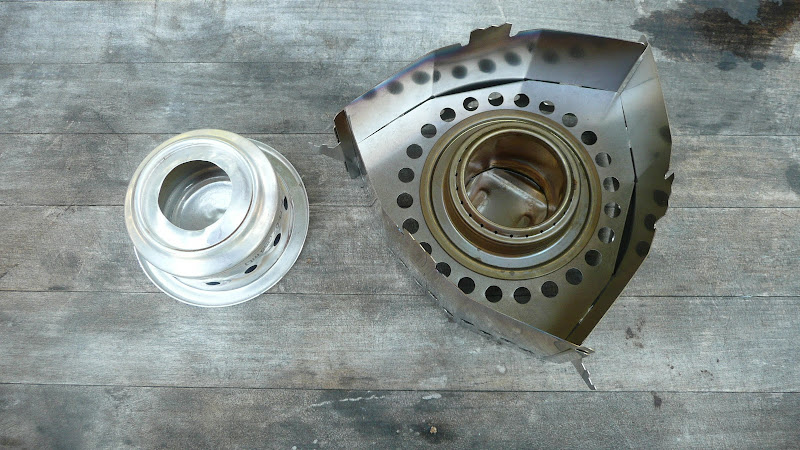
Image

If you're interested in my findings you can read about them on my blog Adventures In Stoving -- Caldera Cone vs. Clikstand Alcohol Stove Tests.

HJ

PostPosted: Tue Oct 04, 2011 3:51 pm
by avid
Thanks for the report. I like the weight of alcohol stoves but can't see myself going back to liquid fuel. I started with an Optimus 8R while backpacking in MT. I never liked getting Kerosene on my hands and even with the utmost care I had the dreaded fuel leak in a pack pocket. The only thing that tempts me is the 95% Everclear available here in OR. I like the possibilites of dual use. :lol:

PostPosted: Tue Oct 04, 2011 5:25 pm
by Hikin_Jim
avid wrote:Thanks for the report. I like the weight of alcohol stoves but can't see myself going back to liquid fuel. I started with an Optimus 8R while backpacking in MT. I never liked getting Kerosene on my hands and even with the utmost care I had the dreaded fuel leak in a pack pocket. The only thing that tempts me is the 95% Everclear available here in OR. I like the possibilites of dual use. :lol:

95% Everclear makes an excellent stove fuel.

Nice thing about alcohol is that it usually dries out pretty fast if it does spill. I sometimes keep my alcohol in bottled water bottle from the grocery store. The bottled water bottles generally don't leak.

In some ways, alcohol stoves aren't as convenient as gas; they're certainly not as fast, but you just adjust your schedule a bit. I go set up the stove, light it, and then go take down my tent while the water is heating up.

The other nice thing: alcohol stoves are almost completely silent. I really don't hear anything until the water is nearly boiling. Kinda nice sometimes.

HJ

PostPosted: Wed Oct 05, 2011 10:32 am
by Hikin_Jim
Some stats for those who may be interested:

Clikstand with Trangia Burner
Clikstand S-2: 94g/3.3oz
Windscreen S-2: 37g/1.3oz (note: In my testing I used a BPL Ti windscreen, 25g/0.9oz)
Trangia Burner: 67g/2.4oz
Trangia Burner Lid: 21g/0.7 oz
Trangia Burner Simmer Ring: 23g/0.8oz
Total Trangia Burner Weight: 112g/4.0oz
Grand Total: The Clikstand with Trangia burner set up is 242g/8.5 oz total, including windscreen, burner lid, and simmer ring.

Note: The above weights are taken from the Clikstand.com website. SNOWGOOSE in Scotland wrote and gave me the actual weights for his Clikstand set up. His weights are a gram or two heavier in several cases. His total weight was 247g/8.7oz.

The Caldera Cone with 10-12 stove
Caldera Cone: 34g/1.2oz
10-12 stove: 16g/0.6oz
Grand Total: The Caldera Cone with 10-12 stove is 50g/1.75 oz

Note: The above weights are actual weights. The weight of a particular cone may vary depending on what type of pot it is designed for, the type of cone, and the material from which the cone is made (Ti or Al).

The Clikstand with Trangia burner is approximately five times heavier than the Caldera Cone with 10-12 stove.

HJ

PostPosted: Wed Oct 05, 2011 10:54 am
by Florian
I made a soda can alcohol stove a couple years ago. But couldn't stand how it made my pot black with soot. Only used it once.

-Florian

PostPosted: Wed Oct 05, 2011 1:24 pm
by Hikin_Jim
Florian wrote:I made a soda can alcohol stove a couple years ago. But couldn't stand how it made my pot black with soot. Only used it once.

-Florian
It shouldn't do that. What kind of alcohol were you using? If you were using rubbing alcohol (isopropyl), that might be the problem.

HJ

PostPosted: Wed Oct 05, 2011 1:43 pm
by Florian
Yes, i think was the 90% rubbing alcohol type. Never thought to try another type.

-Florian

PostPosted: Wed Oct 05, 2011 1:50 pm
by Hikin_Jim
Florian wrote:Yes, i think was the 90% rubbing alcohol type. Never thought to try another type.

-Florian
Yeah, rubbing alcohol has good heat content but is generally a sooty mess.

Take a look at this photo:
Image

The pot in the lower left hand corner had just been used multiple times with alcohol. No soot. In fact you can clearly see the writing on the pot (the pot's weight in grams and ounces), even after multiple burns.

Denatured alcohol from the hardware store is usually a good bet. If you really want to geek out, you can read my blog post on alcohol as a stove fuel which discusses the various pros and cons of the different types of alcohol.

HJ

PostPosted: Wed Oct 05, 2011 2:05 pm
by avid
Jim,

You know Tinny at MiniBull designs is always doing videos indoor showing off his gear and cooking techniques. He seems to favor HEET at his fuel. Isn't this toxic to burn indoors? Do the compounds used to "denature" alcohol concern you because of skin contact or inhalation?

I really love my MSR Reactor. Water boils in an amazingly short time, it reminds me of my home induction burner. They both seem like magic.

If one compares an alcohol stove kit to a canister stove kit for a hypothetical five day trip what would the difference in weight be?

PostPosted: Wed Oct 05, 2011 2:49 pm
by Hikin_Jim
avid wrote:Jim,

You know Tinny at MiniBull designs is always doing videos indoor showing off his gear and cooking techniques. He seems to favor HEET at his fuel. Isn't this toxic to burn indoors? Do the compounds used to "denature" alcohol concern you because of skin contact or inhalation?

I really love my MSR Reactor. Water boils in an amazingly short time, it reminds me of my home induction burner. They both seem like magic.

If one compares an alcohol stove kit to a canister stove kit for a hypothetical five day trip what would the difference in weight be?

HEET works very well as a fuel, but it is methanol. Methanol is toxic both in terms of fumes and in terms of skin absorption (and if you, God forbid, drink it). It's reasonably safe if handled with care, but I wouldn't soak my hands in it. I'd be a little worried about burning it indoors, but if you have good ventilation, it'd probably be OK. I wouldn't burn HEET indoors as a regular practice unless I were absolutely sure the ventilation were excellent. Cumulative effects could accrue.

As for comparative weights, that's a little tricky. It depends on what you typically pack, but here goes a simple comparison: My entire "kitchen" (stove + pot stand/windscreen + fuel + lighter + spoon + pot + bowl + cozy + fuel measuring cup + measuring cup) weighs about 18 oz, including enough fuel for five days (10 fl. oz).

The Reactor alone weighs 19oz. A 110g canister of fuel (should be enough for one person for 5 days although it might be a little tight with a Reactor which is a bit of a fuel hog) weighs if I recall correctly about 7 ounces. So just for the Reactor + fuel, you're looking at 25oz. Add to that a bowl (unless you eat out of the pot), measuring cup (unless you eyeball it or use the markings on the Reactor's pot), lighter, and spoon. You'd save about half a pound by going with the alcohol set up. This assumes you can make it for 5 days on 110g of fuel. If you switch up to a 227g sized canister for the Reactor, your weight savings go up by using the alcohol set up (more like a full pound).

HJ